I started running in 2010 and quickly fell in love with the sport. I was deep in the throes of the third year of my doctoral training in psychology, a grueling seven year journey. While I had enjoyed other forms of exercise (#cardioqueen on the elliptical) for many years prior, I quickly fell in love with the simultaneous ease and challenge of running.
Running felt logistically easy in that I did not need to drive to a gym, join a boutique studio, or buy a bunch of equipment to do it. This felt especially important during a phase of my life in which I was chronically short on free time and money. I just laced up my shoes and ran out the door, which felt like freedom.
I quickly embraced the challenges of running. I decided that my first race would be a 15k, since I knew I could run the 5k distance already. I loved the linear, progressive nature of a training plan: just do a little more each week, and you become stronger and more capable. The black-or-white aspects of training appealed to me greatly as a juxtaposition to the decidedly not black-or-white aspects of graduate school for psychology, where “it depends” and “tolerating ambiguity” were phrases used daily.
Do a little more, run a little farther, take care of yourself along the way, and witness the progress unfold. I was hooked.
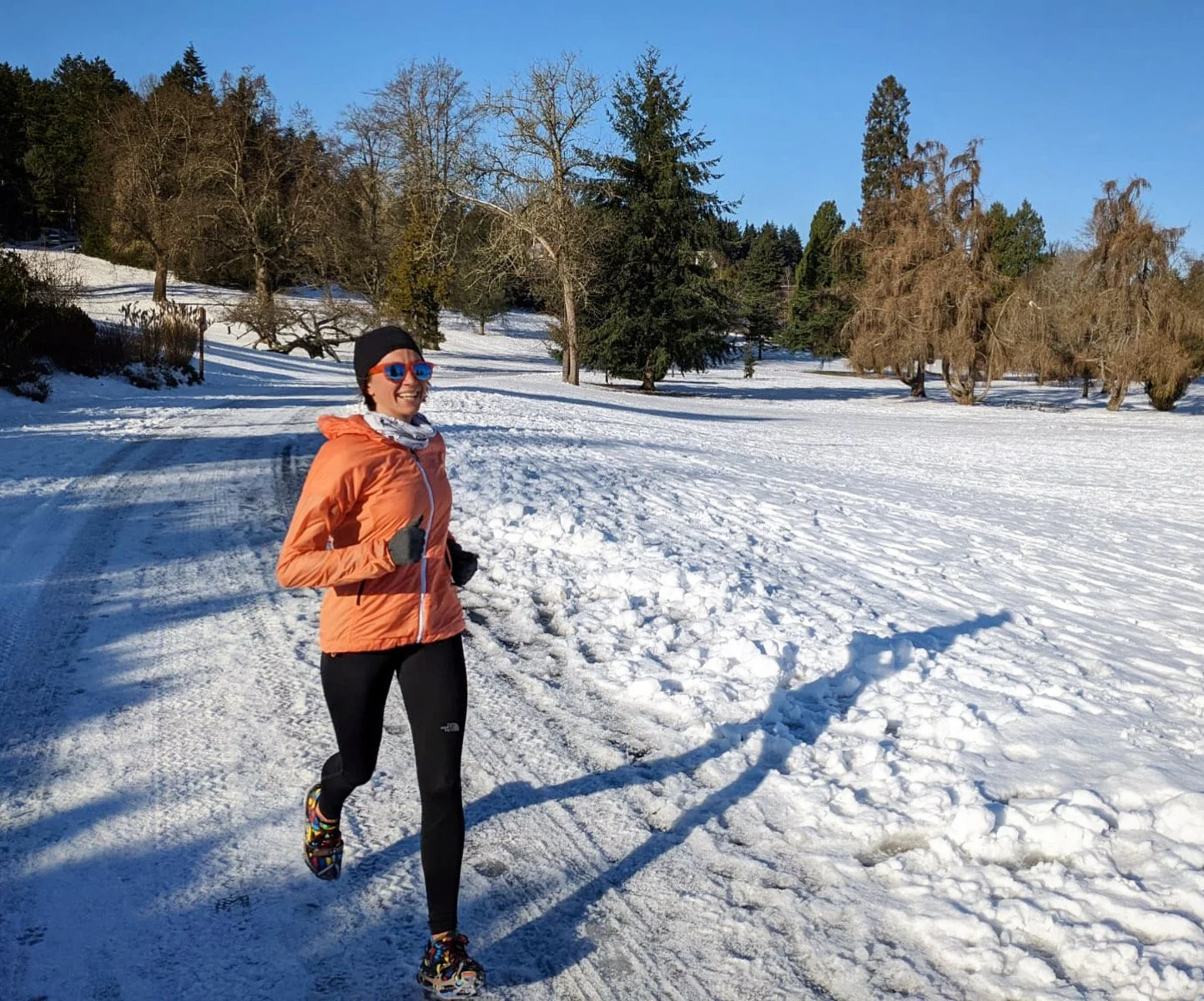
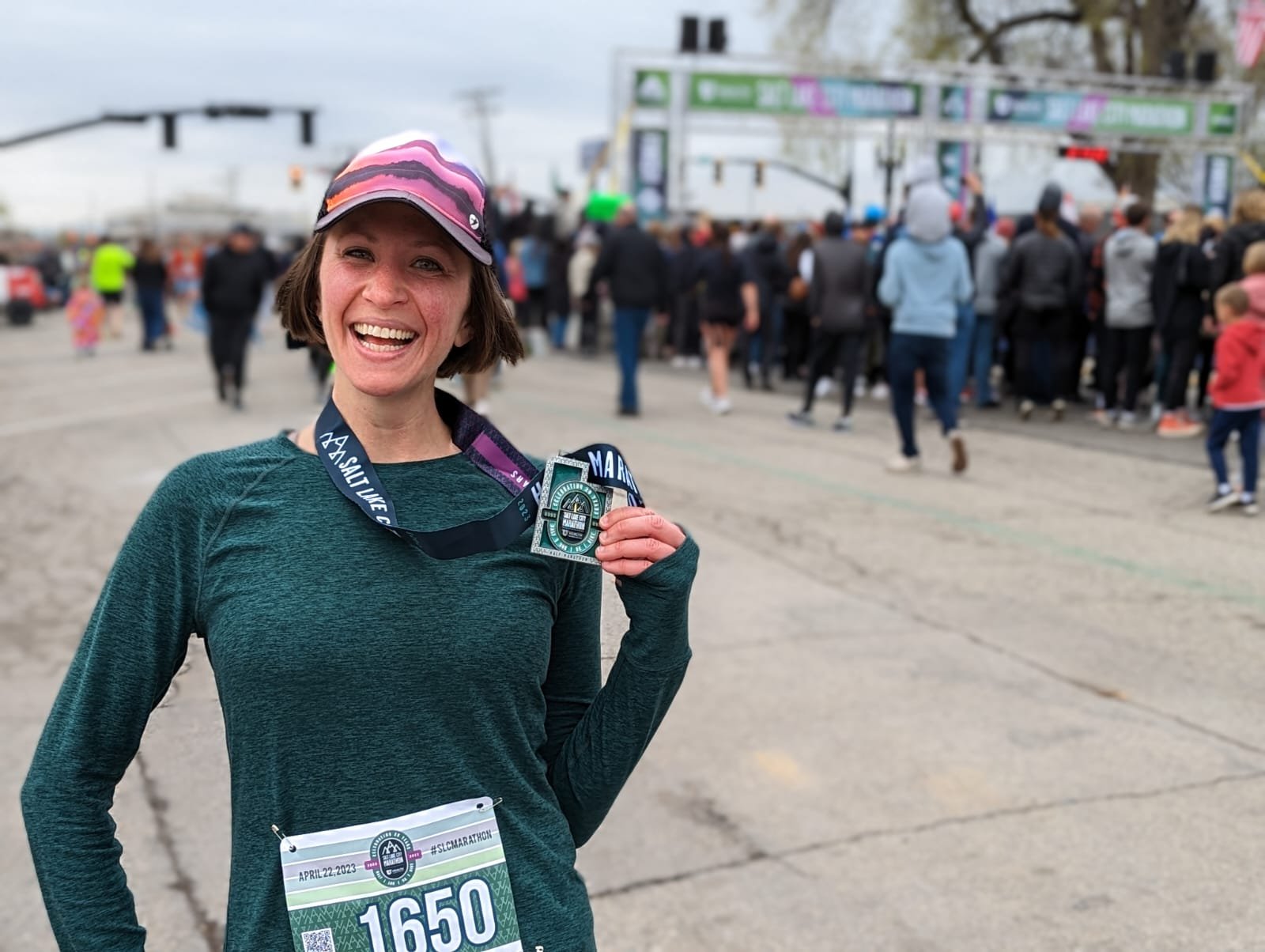
Since I became a runner (which I define as “anyone who runs”), I’ve run about 10 marathons, many half marathons, and a handful of ultramarathons — including a 50 mile run.
I graduated with my doctorate in 2014 and really fell in love with distance running in 2015 or so. I found myself with larger swaths of free time after completing my post-doctoral training year. My love of running and identity as a runner has grown and transformed alongside my professional identity as a psychologist. The two are deeply intertwined for me; I can’t imagine one without the other.
Here are some ways that running has shaped me into the psychologist I am today.
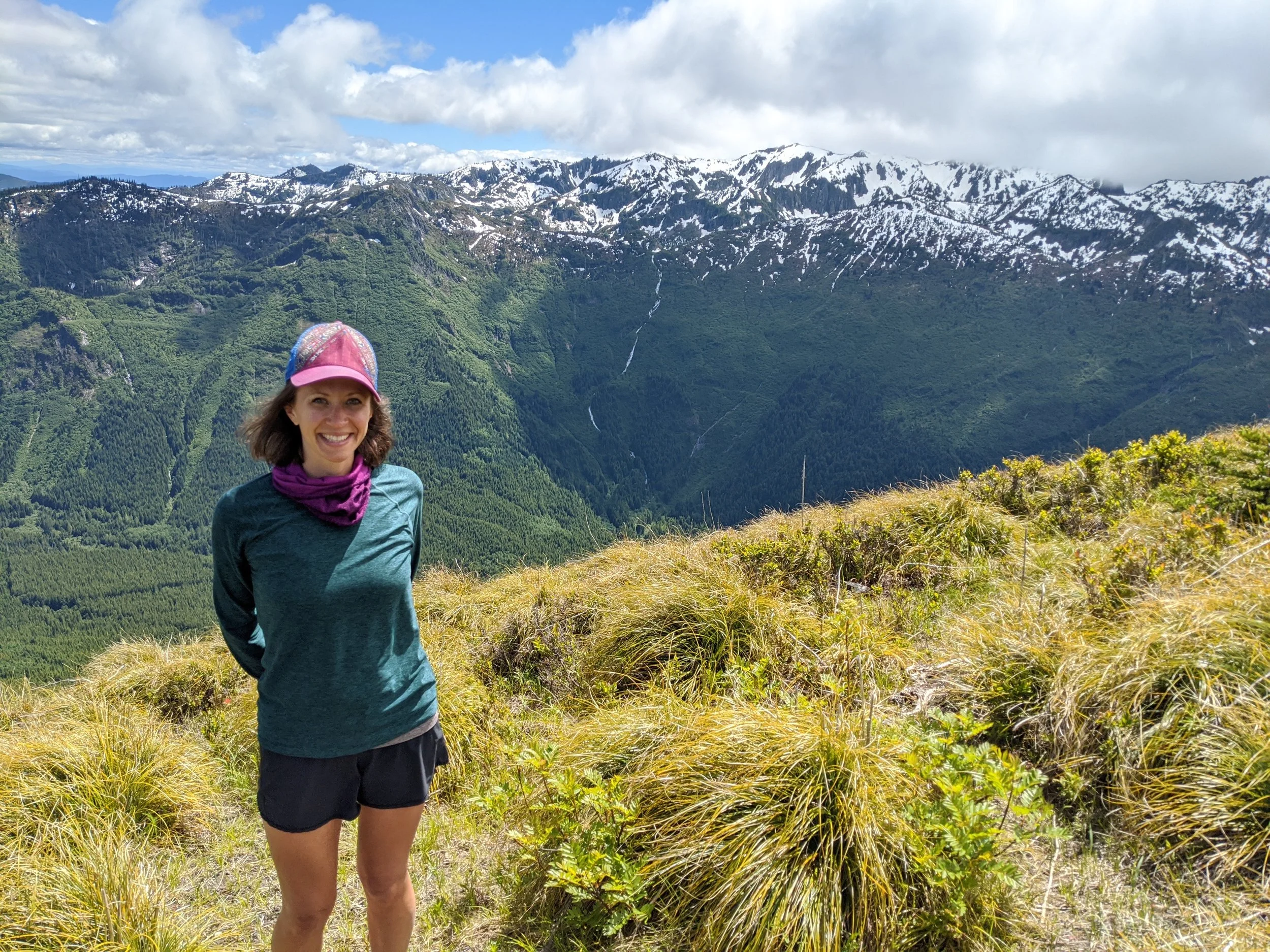
Running has helped me prioritize caring for my physical body
I’ve always prioritized the “long game” of running over the short-term. Instead of constantly chasing new PRs and flashy accomplishments, my true end game is to continue running as long as possible — ideally into older adulthood, if I’m so lucky.
To that end, one must prioritize the basics:
Quality sleep
Physical rest
Mental rest
Stress management
Nutrition (eat well and eat often)
Limit alcohol use
Of course, I am a human and definitely botch all of these sometimes. Also, there’s often only so much we can actually control (especially when it comes to stress).
The more I take care of myself as a runner, the more I take care of myself as a human— and all of these things help me feel more balanced, present, and aware as a psychologist.
You don’t want a sleep deprived, hangry therapist — trust me!
Running has helped me build tolerance for discomfort
I am someone who enjoys tackling new challenges and adventures, which means that I willfully step outside my comfort zone. I’ve built comfort in discomfort by flexing my “willingness muscle.” Over the years of being a runner, I have felt all shades of discomfort— physical, mental, and emotional.
A few years ago, I did a 30 mile adventure run at Mt. Rainier National Park with a friend. This route has something like 9,000 feet of elevation gain (and loss!). As we were halfway up the final climb of several thousand feet, I felt my energy reserves drain and hit the wall mentally. My legs hurt, my feet hurt, and I was over it.
But there was no escape button. There was no bail out point. The only way to finish was to keep going for another 10 miles or so.
I told my friend, “I don’t feel good, and that’s okay. Nothing is broken or wrong, it’s just hard. It’s okay for it to be hard.”
This lived experience helps me empathize with my clients. I understand how hard it is to make big life changes, and I know the range of emotions that can arise when we swing and miss. Everything I’ve learned about myself as a runner can be applied to other parts of my life, and I frequently lean on lessons learned from running in my clinical work.
Running helps me tolerate the mundane
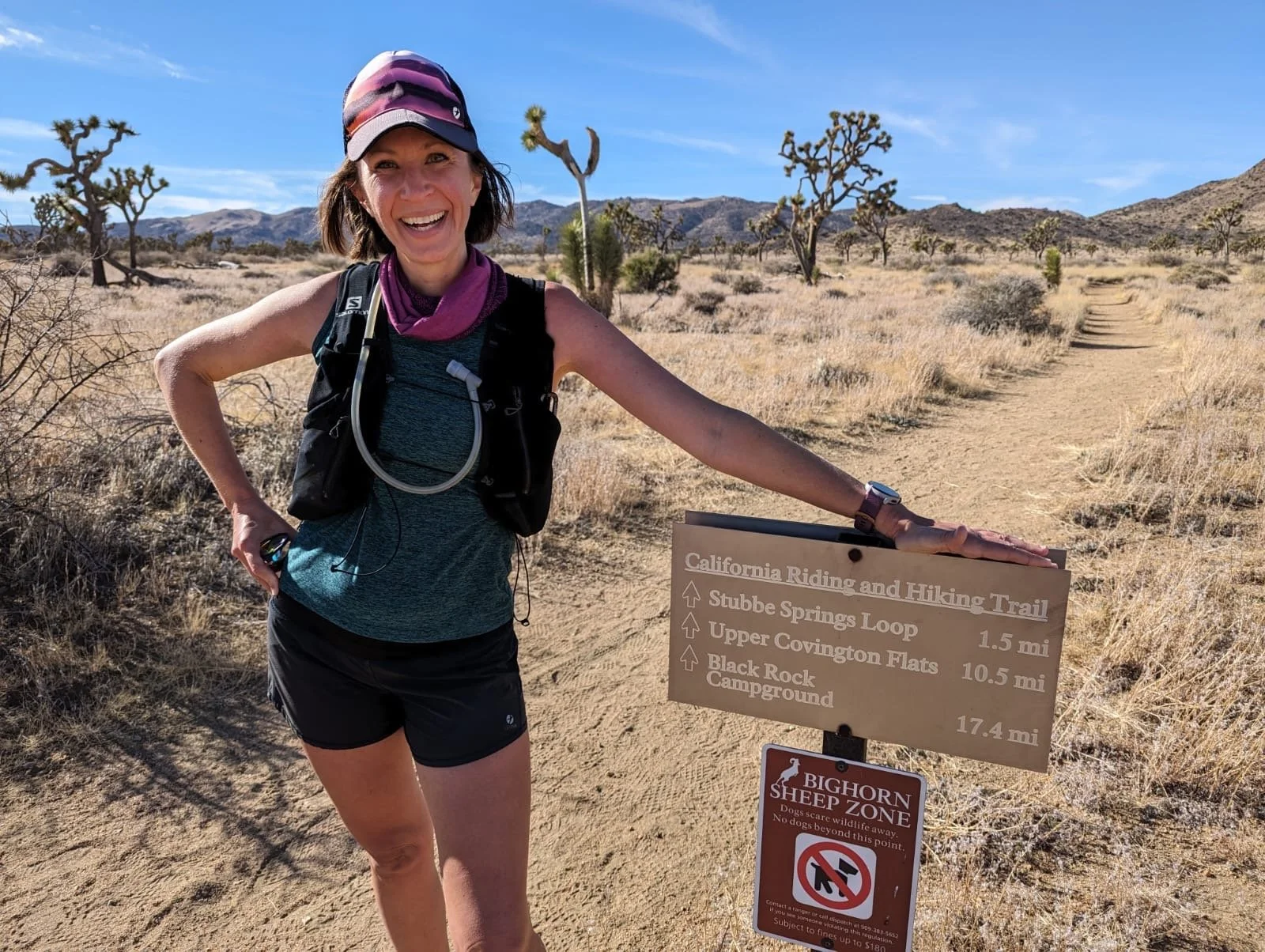
Sure, running 40 miles across Joshua Tree National Park is glamorous… and much of running is not glamorous:
Stretching (ew)
Foam rolling
PT exercises
Truly insane amounts of laundry
Meal planning, cooking, and so many dishes
Runs where the weather sucks and you just don’t want to do it
And so on
Similarly, there are some glamorous aspects of practicing psychology (supporting someone as they make profound changes in their life is truly one of the greatest gifts of my life)… but there are many unglamorous aspects of being a psychologist in private practice:
Documentation
Figuring out how the heck to do business taxes
Bookkeeping
Filing for business licenses
Web design
Keeping track of a million tiny administrative details and trying not to mess any of it up
Feeling stupid when you inevitably mess up a tiny administrative detail
Running has shaped my appreciation for the mundane. There’s no shortcut around it; these are tasks that must be done if you want to access the good parts. Leaning on my years of experience “doing the thing even when I don’t feel like it” as a runner helps me tackle these tasks in my practice as a psychologist.
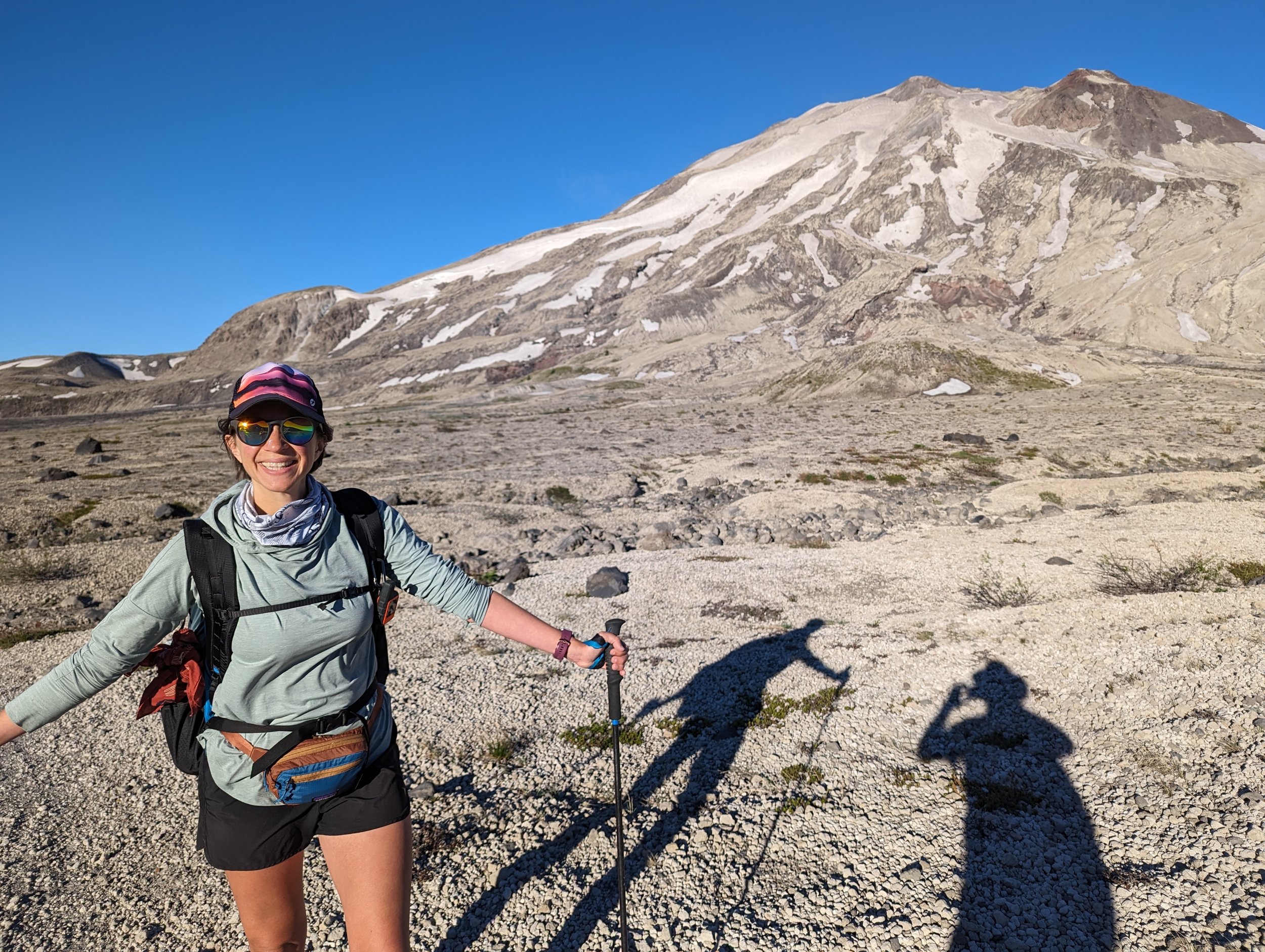
Running helps me process stress and grief
(This picture is from a backpacking trip, but whatever)
I don’t view running as an “escape.” It’s my time to tune in, not zone out. Running gives me designated time in my day to sort out, process, and sit with heavy emotions and thoughts. I gain clarity from running.
This helps me as a psychologist as I am able to sort out my internal reactions to a long clinical day (yep, therapists think about their clients outside of session). I am also able to manage stress from my personal life so I don’t bring it into session (again, I’m human so I do the best I can here, and it’s not always perfect).
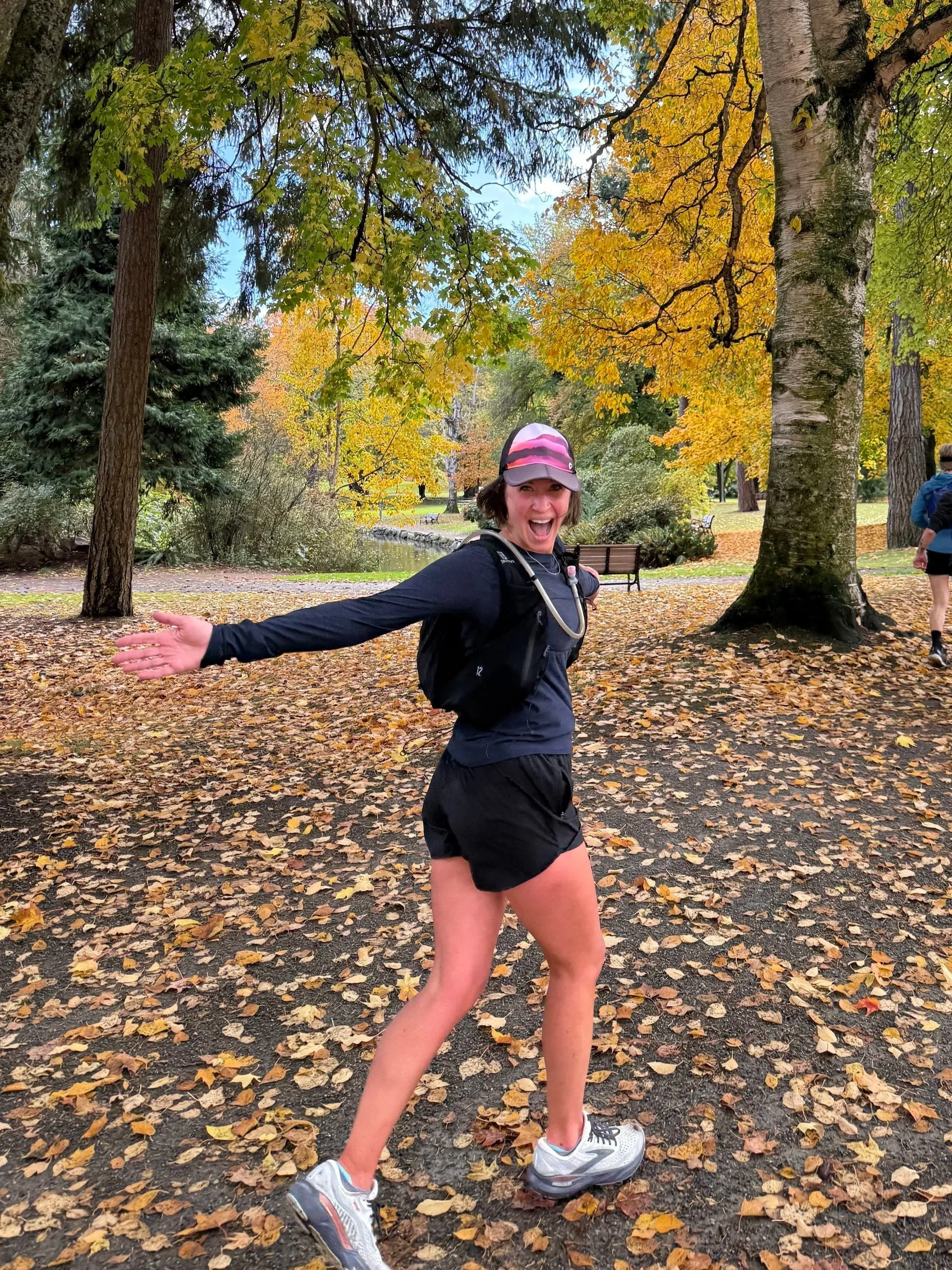
Running also just makes me happy, which is reason enough
We can’t go “all in” on any one part of life. Having purpose in my life outside of work has been huge for me. It helps me come back to work with fresh ideas, perspective, and energy.
Author Bio
Dr. Annie Mueller is a licensed clinical psychologist and founder of Summerland Psychology, a private practice serving adults in Washington and PSYPACT states via telehealth. Her work focuses on anxiety, depression, trauma, life transitions, and supporting athletes and high-performing individuals.